

In the ever - evolving world of electronics manufacturing, Printed Circuit Board (PCB) assembly stands as a cornerstone process. Among the various tools and technologies within this domain, PNP Machines, or Pick and Place Machines, have become indispensable for manufacturers aiming to achieve efficiency, precision, and high - quality production. As a prominent PNP Machines supplier, I am excited to delve into the numerous advantages these machines offer to the electronics manufacturing industry.
1. Precision and Accuracy
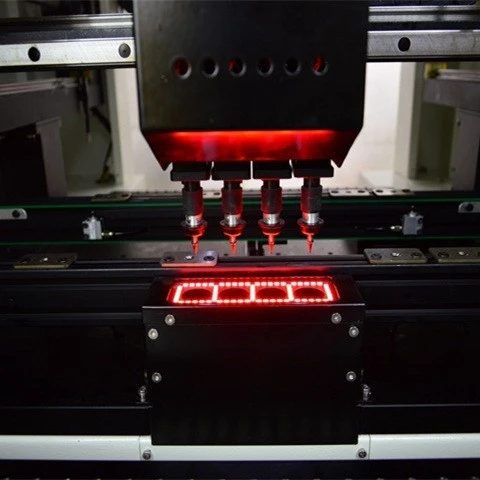
One of the most significant advantages of PNP Machines is their unparalleled precision. These machines are designed to pick up electronic components, such as surface - mount devices (SMDs), with pinpoint accuracy and place them precisely on the PCB. The precision is measured in fractions of a millimeter, ensuring that each component is placed exactly where it needs to be.
For example, in the production of smartphones, where components are extremely small and densely packed, a slight misplacement can lead to malfunctions. PNP Machines can handle components as small as 0201 (0.6mm x 0.3mm) and even smaller, with a placement accuracy of up to ±0.02mm. This high level of precision reduces the number of defective products, saving both time and money in the long run.
2. High - Speed Assembly
Time is money in the manufacturing industry, and PNP Machines offer remarkable speed in component placement. Modern PNP Machines are capable of placing thousands of components per hour. Some high - end machines can reach placement speeds of over 100,000 components per hour.
This high - speed operation allows manufacturers to significantly increase their production output. For instance, a large - scale electronics manufacturer can produce hundreds or even thousands of PCBs in a single shift using PNP Machines. This is especially important in meeting tight deadlines and high - volume orders. Compared to manual component placement, which is not only slower but also more error - prone, PNP Machines provide a clear advantage in terms of speed and productivity.
3. Flexibility
PNP Machines are highly flexible and can accommodate a wide range of component types and sizes. Whether it's small chips, large integrated circuits, or even odd - shaped components, these machines can handle them all. This flexibility is crucial as the electronics industry is constantly evolving, with new and different component designs emerging regularly.
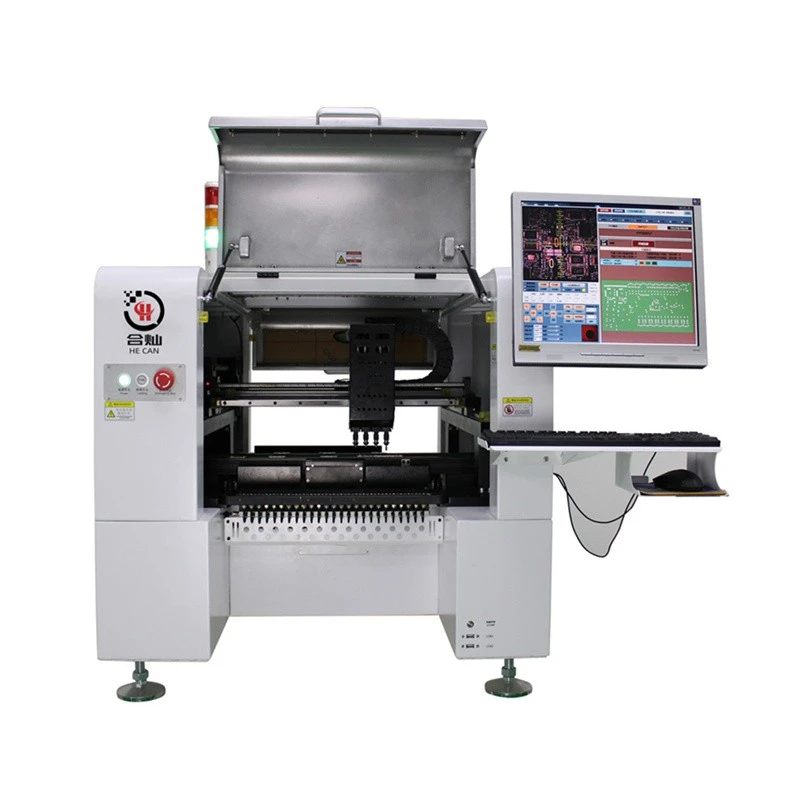
Moreover, PNP Machines can be easily re - programmed to switch between different PCB designs. This means that a manufacturer can produce different types of products on the same production line without having to invest in new and specialized equipment for each product. For example, a company that manufactures both smartwatches and tablets can use the same PNP Machine to assemble the PCBs for both products, simply by adjusting the programming. [Find out more about the flexibility of our Pick and Place SMT Machines.]
4. Consistency
Consistency is key in electronics manufacturing. When producing large quantities of PCBs, it is essential that each board is assembled with the same level of quality. PNP Machines excel in this aspect as they perform the pick - and - place process in an identical manner for every single component on every board.
Manual assembly, on the other hand, is subject to human error and fatigue. Different operators may place components with slightly different levels of accuracy, leading to inconsistencies in the final product. With PNP Machines, the risk of variation between boards is minimized, ensuring that each PCB meets the same high - quality standards. This consistency is particularly important for industries where reliability is critical, such as the automotive and aerospace industries.
5. Reduction in Labor Costs
The use of PNP Machines significantly reduces the need for manual labor in PCB assembly. In traditional manufacturing processes, a large number of workers are required to pick and place components on PCBs, which is a labor - intensive and time - consuming task. By automating this process with PNP Machines, manufacturers can reduce their labor force and allocate their human resources to more value - added tasks, such as quality control and process optimization.
In addition to direct labor cost savings, PNP Machines also reduce the cost associated with training and managing a large workforce. Workers who are trained to operate and maintain PNP Machines are more specialized and can handle more complex tasks, leading to a more efficient and cost - effective manufacturing process.
6. Improved Quality Control
PNP Machines are equipped with advanced vision systems that can inspect components before and after placement. These vision systems can detect defects such as incorrect component orientation, missing components, or damaged components. By identifying these issues early in the assembly process, manufacturers can take corrective actions immediately, reducing the likelihood of producing defective products.
Furthermore, the data collected by the vision systems can be used for quality control analysis. Manufacturers can track the performance of the PNP Machine over time, identify areas for improvement, and make adjustments to the assembly process to enhance overall product quality. This data - driven approach to quality control is essential in today's competitive electronics manufacturing market. [Explore our SMD Automatic Pick and Place Machine with advanced quality control features.]
7. Space - Saving
In a manufacturing facility, space is often a valuable resource. PNP Machines are designed to be compact and can be integrated into existing production lines with relative ease. Compared to traditional manual assembly stations, which require a large amount of floor space for workers and workbenches, PNP Machines take up much less space.
This space - saving feature allows manufacturers to optimize their production floor layout, increasing the overall efficiency of the manufacturing facility. Additionally, the smaller footprint of PNP Machines can also lead to cost savings in terms of rent and utilities for the manufacturing facility.
8. Compatibility with Other Manufacturing Processes
PNP Machines can be easily integrated with other manufacturing processes in a PCB assembly line, such as solder paste printing and reflow soldering. This seamless integration ensures a smooth and continuous production process.
For example, after the solder paste is printed on the PCB, the PNP Machine can immediately start placing components on the board. Once the components are placed, the PCB can be transferred directly to the reflow oven for soldering. This integration reduces the time and effort required to transfer the PCBs between different stages of the assembly process, further increasing the overall efficiency of the production line.
Conclusion: Call to Action
As an experienced PNP Machines supplier, I have witnessed firsthand how these machines have revolutionized the electronics manufacturing industry. The advantages of precision, high - speed assembly, flexibility, consistency, labor cost reduction, improved quality control, space - saving, and compatibility with other processes make PNP Machines an essential investment for any electronics manufacturer looking to stay competitive in today's market.
If you are interested in enhancing your PCB assembly process and achieving higher levels of efficiency and quality, I encourage you to reach out for a detailed discussion. Let's explore how our advanced Automatic Pick and Place Machine can meet your specific manufacturing needs. Whether you are a small - scale operation or a large - scale production facility, we have the expertise and solutions to help you succeed. Contact us today to start a conversation about optimizing your production line with our PNP Machines.
References
- "Advanced Technology in Pick and Place Machines" - Journal of Electronics Manufacturing
- "The Impact of Automation on PCB Assembly" - International Journal of Production Engineering
- "Quality Control in Electronics Manufacturing" - Manufacturing Science Review


