Hey there! As a supplier of PNP Machines, I've seen firsthand the importance of production efficiency in the electronics manufacturing industry. In this blog, I'm gonna share some tips on how to improve the production efficiency of PNP Machines.
1. Machine Selection and Setup
First things first, choosing the right PNP Machine is crucial. When you're in the market for a Pick and Place Machine for PCB, you need to consider factors like the production volume, the complexity of the PCBs you'll be working on, and the types of components you'll be placing. A machine that's too small for your production needs will slow you down, while one that's too big might be overkill and a waste of resources.
Once you've got the right machine, proper setup is key. Make sure the machine is level and calibrated correctly. Incorrect calibration can lead to misplacement of components, which means rework and wasted time. Also, set up the feeder system properly. Feeders should be loaded with the right components and adjusted to ensure smooth and accurate feeding. This might seem like a no - brainer, but many manufacturers overlook these basic setup steps, which can have a big impact on efficiency.
2. Component Management
Effective component management can significantly boost the production efficiency of PNP Machines. Start by organizing your components. Use a proper storage system that allows for easy access and identification. This reduces the time spent searching for components during production.
Another important aspect is component quality. Low - quality components can cause issues like mispicks and misplacements. Make sure you source components from reliable suppliers and perform quality checks before using them in production.
You can also implement a component replenishment system. This system should be able to predict when components are running low and automatically order replacements. This way, you won't have to stop production due to component shortages.
3. Programming and Optimization
The programming of PNP Machines plays a huge role in production efficiency. Use advanced programming software that can optimize the placement sequence of components. This software can analyze the PCB design and determine the most efficient way to place components, reducing the travel time of the placement head.
For example, it can group components that are close to each other on the PCB and place them in one go, rather than having the placement head move back and forth across the board. Also, make sure to regularly update the programming based on any changes in the PCB design or component requirements.
Simulation is another great tool. You can simulate the production process before actually running it on the machine. This allows you to identify any potential issues, such as collisions or inefficient placement paths, and make adjustments without wasting time on the actual production line.
4. Maintenance and Troubleshooting
Regular maintenance is essential for keeping PNP Machines running at peak efficiency. Create a maintenance schedule and stick to it. This should include tasks like cleaning the machine, lubricating moving parts, and checking for any signs of wear and tear.
A well - maintained machine is less likely to break down, which means less downtime. In case of a breakdown, having a quick troubleshooting process in place is crucial. Train your staff to identify common problems and how to fix them. Keep spare parts on hand so that you can quickly replace any faulty components and get the machine back up and running.
5. Operator Training
Your operators are the ones who interact with the PNP Machines on a daily basis, so their skills and knowledge are vital for production efficiency. Provide comprehensive training to your operators. They should be familiar with all aspects of the machine, from basic operation to advanced programming.
Training should also cover safety procedures. A safe working environment not only protects your employees but also helps to maintain a smooth production flow. Encourage your operators to share their ideas and experiences. They might have some valuable insights on how to improve the production process based on their day - to - day work.
6. Workflow Optimization
Look at the overall workflow in your production facility. Are there any bottlenecks or inefficiencies? For example, is there a long wait time between the PCB loading and the start of the placement process? You can optimize the workflow by streamlining the processes between different stages of production.
Consider implementing a just - in - time (JIT) production system. With JIT, materials and components are delivered exactly when they are needed in the production process. This reduces inventory costs and the time spent on handling and storing materials.
7. Data Analysis
In today's digital age, data analysis can provide valuable insights into the performance of your PNP Machines. Collect data on various aspects of the production process, such as the number of components placed per hour, the number of misplacements, and the machine's uptime.
Analyze this data to identify trends and areas for improvement. For example, if you notice a high number of misplacements during a certain shift, you can investigate whether it's due to operator error, component quality, or a machine issue. Use this data to make informed decisions and implement targeted improvements.
Conclusion
Improving the production efficiency of PNP Machines is a multi - faceted process. It involves everything from choosing the right machine and managing components effectively to optimizing programming and workflow. By implementing these tips, you can significantly increase the productivity of your PNP Machines, reduce costs, and improve the quality of your SMT Board Assembly.

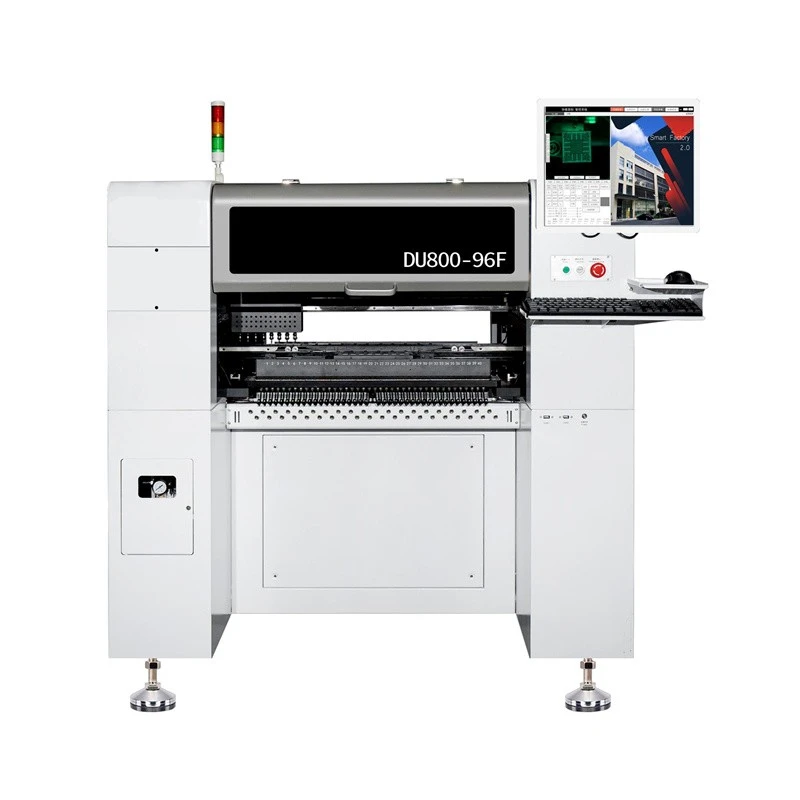
If you're in the market for a Pick N Place Machine or looking to improve the efficiency of your existing machines, I'd love to have a chat with you. Feel free to reach out to discuss your specific needs and how we can help you achieve your production goals.
References
- Industry best practices in electronics manufacturing.
- Case studies from leading electronics manufacturers.
- Technical manuals of PNP Machines.