Hey there! As a supplier of SMT related machines, I've seen firsthand how crucial the component placement sequence is in SMT (Surface Mount Technology) operations. It can make or break the efficiency, quality, and overall cost - effectiveness of your production line. So, in this blog, I'm gonna share some tips on how to optimize the component placement sequence in SMT related machines.
Understanding the Basics of Component Placement Sequence
Before we dive into optimization, let's quickly go over what component placement sequence is. In SMT, components are placed on a printed circuit board (PCB) by SMT machines. The order in which these components are placed is the component placement sequence. A well - planned sequence can reduce machine movement, minimize setup time, and improve the accuracy of placement.
Analyzing PCB Design
The first step in optimizing the placement sequence is to analyze the PCB design. Look at the distribution of components on the board. Are there clusters of similar components? Are there any large or heavy components that might require special handling? For example, if you have a group of resistors all in one corner of the PCB, it makes sense to place them together. This reduces the travel time of the placement head as it moves around the board.
Considering Component Types
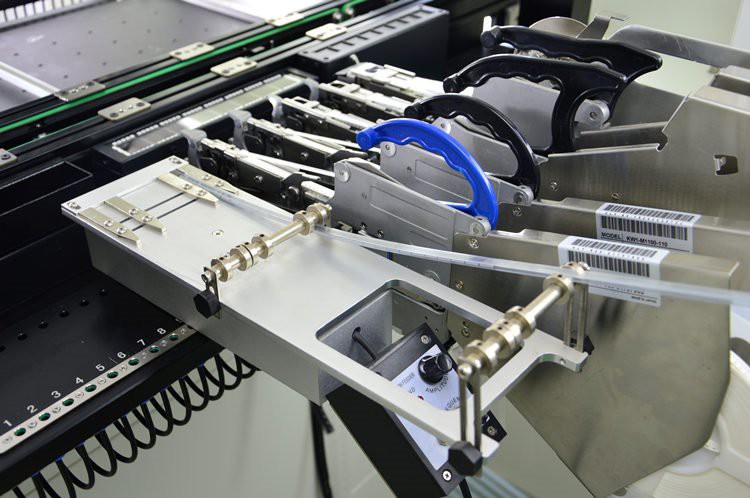
Different component types have different placement requirements. For instance, SMT Feeder is used to supply components to the placement machine. Some components, like small passive components (resistors, capacitors), can be placed very quickly. On the other hand, larger components such as integrated circuits or connectors might need more precise alignment and slower placement speeds. You should group similar component types together in the placement sequence. This allows the machine to operate at an optimal speed for each group, rather than constantly adjusting for different component sizes and requirements.

Optimizing for Machine Efficiency
Reducing Machine Movement
One of the key goals in optimizing the component placement sequence is to reduce the movement of the placement head. The less the head has to move around the board, the faster the placement process will be. You can achieve this by arranging components in a logical order. For example, you can start from one corner of the board and work your way across in a systematic pattern, like a row - by - row or column - by - column approach.
Minimizing Setup Time
Setup time is another important factor. When changing between different component types, the machine might need to adjust settings such as the vacuum pressure for picking up components or the placement force. By grouping similar components together, you can minimize these setup changes. This not only saves time but also reduces the risk of errors that can occur during setup.
Software - Based Optimization
Most modern SMT machines come with software that can help optimize the component placement sequence. These software tools use algorithms to analyze the PCB design and component data. They can generate an optimized sequence based on factors like component location, type, and the capabilities of the machine.
Using Simulation Tools
Simulation tools are a great way to test different placement sequences before actually running the production. You can input the PCB design and component data into the simulation software and see how different sequences perform. This allows you to identify any potential issues, such as collisions between the placement head and components, and make adjustments accordingly.
Updating the Software Regularly
Software developers are constantly improving the algorithms used for component placement optimization. By keeping your machine's software up - to - date, you can take advantage of these improvements and ensure that your placement sequence is as efficient as possible.
Special Considerations for Different Machines
Dispenser Machine
If you're using a Dispenser Machine in your SMT process, the placement sequence can also affect the dispensing of adhesives or soldering pastes. For example, if you need to dispense paste before placing certain components, you need to plan the sequence so that the paste is dispensed at the right time and in the right place. You might want to group components that require paste dispensing together and have the dispenser machine work on them in a single pass.
BGA Rework Station
When using a BGA Rework Station, the placement sequence can impact the rework process. If you have multiple BGA components on a board that need rework, you should plan the sequence in a way that minimizes the heat transfer between different components. This can prevent damage to other components on the board due to excessive heat.
Quality Control and the Placement Sequence
Optimizing the component placement sequence isn't just about speed and efficiency; it also has a big impact on quality control. A well - planned sequence can reduce the chances of misplacement or damage to components. For example, placing larger components first can provide a stable base for the smaller components that are placed later. This can prevent the smaller components from being knocked out of place during the placement of larger ones.
Conclusion
Optimizing the component placement sequence in SMT related machines is a multi - faceted process. It involves analyzing the PCB design, considering component types, reducing machine movement, using software tools, and taking into account the specific requirements of different machines. By following these tips, you can significantly improve the efficiency and quality of your SMT production line.
If you're interested in learning more about how our SMT related machines can help you optimize your component placement sequence, or if you're looking to purchase new equipment for your production line, I encourage you to reach out. We're here to help you take your SMT operations to the next level.
References
- "Surface Mount Technology Handbook" by John H. Lau
- "Advanced SMT Assembly and Packaging" by C. P. Wong