

As a supplier of paste mixer machines, I've had numerous discussions with customers about various aspects of these machines. One topic that frequently comes up is the cleaning difficulty level of a paste mixer machine. In this blog, I'll delve into this subject, exploring the factors that contribute to the cleaning difficulty and offering some insights on how to manage it effectively.
Factors Affecting the Cleaning Difficulty
1. Type of Paste
The nature of the paste being mixed is one of the primary factors influencing the cleaning difficulty. Different pastes have distinct chemical compositions and physical properties. For example, solder paste used in the electronics industry, such as the one mixed by the SMT Solder Mixing Machine, contains metal particles and flux. The metal particles can adhere to the mixing chamber and blades, and the flux can harden over time, making it challenging to remove.
On the other hand, food pastes may have organic components that can decompose and leave behind stubborn residues. Dairy - based pastes, for instance, can develop a film that is difficult to clean if not addressed promptly. The viscosity of the paste also plays a role. Highly viscous pastes tend to stick more firmly to the machine's surfaces, increasing the cleaning effort.
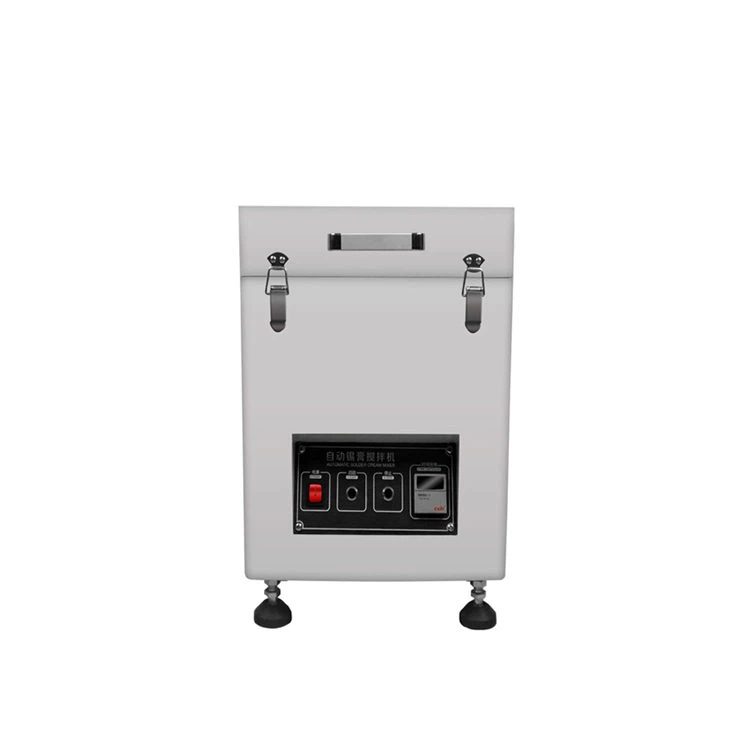
2. Machine Design
The design of the paste mixer machine significantly impacts the cleaning process. Machines with complex internal structures, such as multiple chambers, intricate blade systems, or hard - to - reach corners, are generally more difficult to clean. These areas can trap paste residues, and it may be challenging to access them with cleaning tools.
For example, some paste mixers have a sealed mixing chamber with a small opening for cleaning. This limited access can make it difficult to thoroughly clean the interior of the chamber. In contrast, machines with a more open and accessible design, where the mixing parts can be easily removed and disassembled, are much easier to clean.
3. Operating Conditions
The frequency of use and the operating environment also affect the cleaning difficulty. If a paste mixer machine is used continuously for long periods without proper cleaning intervals, the paste residues can build up over time, making the cleaning process more arduous.
Moreover, the environmental conditions in which the machine operates can impact the cleaning. For example, if the machine is used in a dusty or humid environment, the dust and moisture can combine with the paste residues, creating a more stubborn layer that is harder to remove.
Cleaning Challenges in Different Types of Paste Mixer Machines
1. Planetary Mixers
Planetary mixers are commonly used for mixing pastes. They have a unique mixing action where the mixing blade orbits around the mixing bowl while rotating on its own axis. This complex motion can lead to paste being distributed unevenly in the bowl and on the blade.
The cleaning challenge lies in reaching all the areas where the paste has adhered. The corners of the mixing bowl and the areas around the blade attachments can be particularly difficult to clean. Additionally, the gears and bearings in the planetary drive system need to be protected from paste contamination during the cleaning process, which adds another layer of complexity.
2. High - Shear Mixers
High - shear mixers are designed to break down particles and create a homogeneous mixture. They operate at high speeds, which can cause the paste to be forced into small crevices and gaps in the machine.
The high - shear forces can also cause the paste to adhere more firmly to the mixing components. The cleaning of high - shear mixers often requires specialized cleaning agents and tools to remove the stubborn residues. The rotor - stator assembly, which is the key component in high - shear mixing, needs to be carefully cleaned to maintain its performance.
Strategies to Overcome Cleaning Difficulties
1. Regular Maintenance and Cleaning Schedules
Establishing a regular cleaning schedule is crucial for reducing the cleaning difficulty. By cleaning the paste mixer machine after each use or at regular intervals, the build - up of paste residues can be minimized. This preventive approach makes the cleaning process quicker and more effective.
For example, a simple rinse with a suitable cleaning solution immediately after use can remove most of the fresh paste residues. Then, a more thorough cleaning can be carried out at the end of a production batch or a day's operation.
2. Use of Appropriate Cleaning Agents
Selecting the right cleaning agents is essential for effective cleaning. Different types of pastes require different cleaning solutions. For solder paste, a cleaning agent that can dissolve the flux and remove the metal particles is needed.
For food pastes, food - grade cleaning agents should be used to ensure safety. It's important to follow the manufacturer's recommendations when choosing cleaning agents to avoid damaging the machine's components.
3. Disassembly and Reassembly
If the paste mixer machine allows for disassembly, it can greatly simplify the cleaning process. Removing the mixing bowl, blades, and other detachable parts makes it easier to access all the surfaces and clean them thoroughly.
However, it's important to follow the correct disassembly and reassembly procedures to ensure that the machine functions properly after cleaning. Some machines come with detailed instructions on how to disassemble and reassemble the parts, which should be strictly followed.
Importance of Effective Cleaning
Effective cleaning of a paste mixer machine is not just about maintaining a clean appearance. It has several important benefits. Firstly, it ensures the quality of the paste being mixed. Residual paste from previous batches can contaminate new batches, leading to inconsistent product quality.
Secondly, proper cleaning helps to extend the lifespan of the machine. Paste residues can cause corrosion, wear and tear on the machine's components, and can even lead to mechanical failures if left unattended. By keeping the machine clean, these issues can be minimized, reducing the need for costly repairs and replacements.
Conclusion
In conclusion, the cleaning difficulty level of a paste mixer machine is influenced by multiple factors, including the type of paste, machine design, and operating conditions. While cleaning can be a challenging task, it is essential for maintaining the quality of the paste and the longevity of the machine.
As a supplier of paste mixer machines, we understand the importance of providing machines that are easy to clean and offering guidance on the best cleaning practices. If you are in the market for a paste mixer machine or have any questions about cleaning and maintenance, we are here to help. Contact us to discuss your specific requirements and start a procurement negotiation. We are committed to providing you with the best solutions for your paste mixing needs.
References
- "Industrial Mixing Technology" by XYZ Publishing
- Technical manuals of various paste mixer machines
- Research papers on paste mixing and cleaning in the food and electronics industries
