

As a seasoned provider of SMT Board Assembly services, I've witnessed firsthand the critical role that understanding the differences between single - sided and double - sided SMT board assembly plays in the electronics manufacturing industry. In this blog, I'll delve into these differences, highlighting their unique characteristics, applications, and implications for your projects.
Basics of Single - Sided SMT Board Assembly
Single - sided SMT board assembly is, as the name suggests, the process of mounting electronic components on only one side of the printed circuit board (PCB). This is one of the simplest and most cost - effective methods of PCB assembly.
The process typically starts with applying solder paste to the designated pads on the PCB. This is usually done using a stencil, which ensures accurate placement of the solder paste. After that, a Pick and Place PCB Assembly Equipment is used to precisely position the electronic components on the solder - paste - coated pads. These components can range from resistors, capacitors to integrated circuits. Once all the components are placed, the PCB goes through a reflow soldering process. In this process, the board is heated to a specific temperature, causing the solder paste to melt and form a strong electrical and mechanical connection between the components and the PCB.
One of the main advantages of single - sided SMT board assembly is its simplicity. Since there is only one side to work on, the assembly process is less complex, which reduces the chances of errors. It also requires less time compared to double - sided assembly, making it an ideal choice for projects with tight deadlines. Additionally, single - sided PCBs are generally more cost - effective. They require less material and fewer manufacturing steps, which can significantly cut down on production costs.
However, single - sided SMT board assembly also has its limitations. The available space for component placement is limited to one side of the PCB. This can be a major drawback for complex electronic devices that require a large number of components. As a result, single - sided PCBs are often used in less complex applications such as simple consumer electronics, toys, and some basic control circuits.
Understanding Double - Sided SMT Board Assembly
Double - sided SMT board assembly involves mounting electronic components on both sides of the PCB. This process is more complex than single - sided assembly but offers several significant advantages, especially for high - density and high - performance electronic devices.
The double - sided assembly process begins in a similar way to single - sided assembly. Solder paste is applied to the pads on one side of the PCB, and components are placed using a Pick and Place Machine for PCB. After the first side goes through the reflow soldering process, the PCB is flipped over. Then, the same steps of applying solder paste, placing components, and reflow soldering are repeated on the second side.
One of the key benefits of double - sided SMT board assembly is the increased component density. By utilizing both sides of the PCB, designers can pack more components into a smaller space. This is crucial for modern electronic devices such as smartphones, laptops, and high - end medical equipment, which require a large number of components to function properly.
Double - sided PCBs also offer enhanced electrical performance. The ability to place components on both sides allows for better signal routing and reduced interference. This can lead to improved functionality and reliability of the electronic device.
However, double - sided SMT board assembly comes with its own set of challenges. The process is more complex, which increases the risk of errors. For example, during the second reflow soldering process, the components on the first side may be re - melted, causing potential issues. Special techniques and equipment, such as a SMT Mounting Machine with advanced capabilities, are often required to ensure the quality of the assembly. Additionally, double - sided assembly generally takes longer and is more expensive than single - sided assembly due to the increased complexity and additional manufacturing steps.
Applications and Considerations
When deciding between single - sided and double - sided SMT board assembly, it's essential to consider the specific requirements of your project.
For projects with a limited budget and simple design requirements, single - sided SMT board assembly is often the best choice. It can provide a cost - effective solution without sacrificing too much functionality. As mentioned earlier, it is commonly used in basic consumer products and simple control systems.

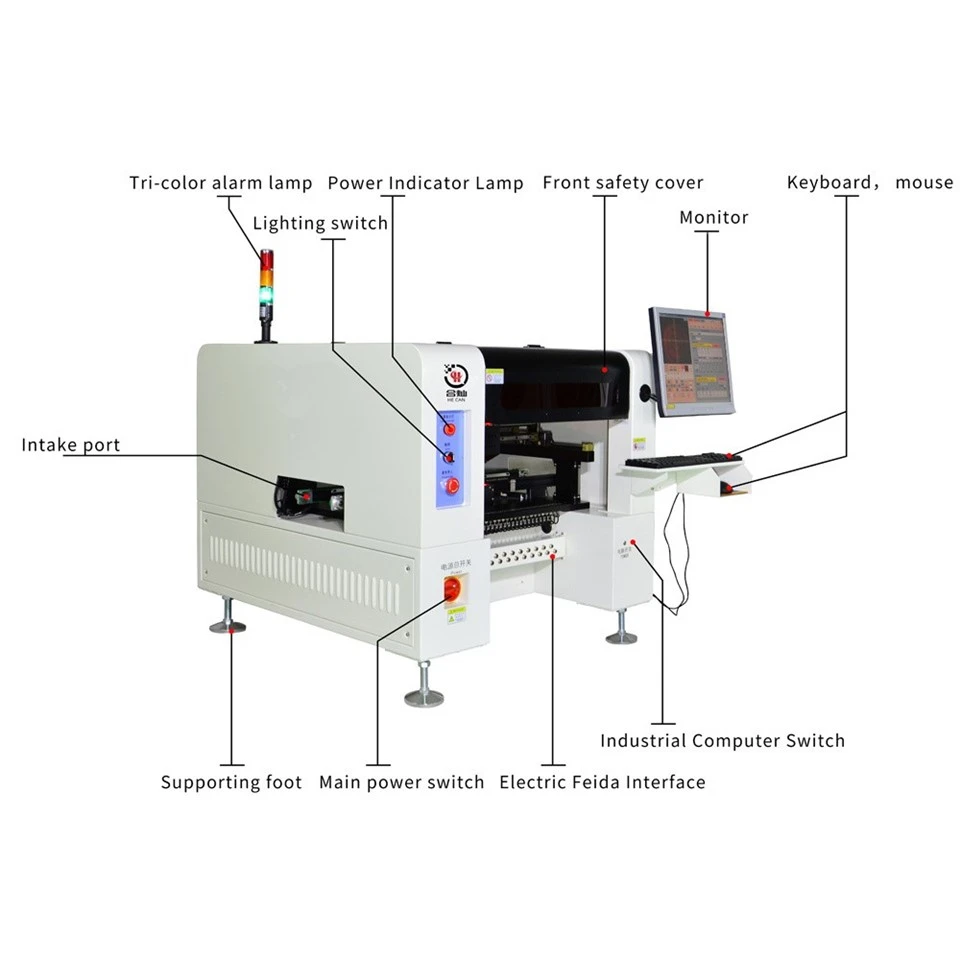
On the other hand, if your project demands high - density component placement, advanced functionality, and better electrical performance, double - sided SMT board assembly is the way to go. It is widely used in high - end electronics, telecommunications equipment, and automotive electronics, where space is at a premium and performance is critical.
Another important consideration is the manufacturing volume. For low - volume production, single - sided assembly may be more suitable as it can be completed quickly and at a lower cost. However, for high - volume production, the benefits of double - sided assembly, such as increased component density and better performance, may outweigh the additional cost and complexity.
Key Differences in Assembly Process
There are several key differences in the assembly process between single - sided and double - sided SMT board assembly.
In terms of component placement, single - sided assembly only requires one pass of the pick - and - place machine. The machine simply places all the components on one side of the PCB. In contrast, double - sided assembly requires two passes of the pick - and - place machine, one for each side of the PCB. This means that more time and precision are needed to ensure accurate component placement on both sides.
The reflow soldering process also differs. In single - sided assembly, the reflow soldering is a straightforward process since there is only one set of components to solder. In double - sided assembly, special care must be taken during the second reflow soldering process. The first side's components have already been soldered, and there is a risk of re - melting the solder joints on the first side. To prevent this, different soldering techniques and temperature profiles may be used. For example, some manufacturers use a lower melting point solder on the second side or use a selective soldering process for the second side.
Impact on Design and Functionality
The choice between single - sided and double - sided SMT board assembly can have a significant impact on the design and functionality of the electronic device.
From a design perspective, single - sided PCBs offer a more straightforward layout. Designers only need to consider the component placement on one side, which simplifies the design process. However, the limited space can restrict the design options, especially for complex circuits. Double - sided PCBs, on the other hand, provide more flexibility in design. Designers can use both sides of the PCB to optimize the component placement, which can lead to a more compact and efficient design.
In terms of functionality, double - sided SMT board assembly generally offers better performance. The increased component density allows for more complex circuits to be implemented, which can enhance the functionality of the device. For example, a double - sided PCB can support more advanced features such as higher processing power, better connectivity, and improved signal processing.
Making the Right Choice for Your Project
As a SMT Board Assembly provider, I understand that choosing between single - sided and double - sided SMT board assembly can be a challenging decision. It's important to carefully evaluate your project's requirements, including budget, timeline, complexity, and performance needs.
If you're working on a simple project with a limited budget and tight deadline, single - sided SMT board assembly may be the most suitable option. It can provide a cost - effective and quick solution without compromising too much on functionality.
However, if your project requires high - density component placement, advanced functionality, and better electrical performance, double - sided SMT board assembly is worth considering. Although it may be more expensive and complex, the benefits it offers can significantly enhance the quality and performance of your electronic device.
If you're still unsure which option is best for your project, I encourage you to reach out to us. Our team of experts has extensive experience in SMT board assembly and can provide you with professional advice and guidance. We can work closely with you to understand your specific needs and develop a customized assembly solution that meets your requirements. Whether you're looking for a simple single - sided PCB or a complex double - sided PCB, we have the expertise and resources to deliver high - quality results. Contact us today to start discussing your project and explore the possibilities of SMT board assembly.
References
- "Printed Circuit Board Design and Manufacturing" by IPC
- "Surface Mount Technology: Principles and Practice" by John H. Lau


