

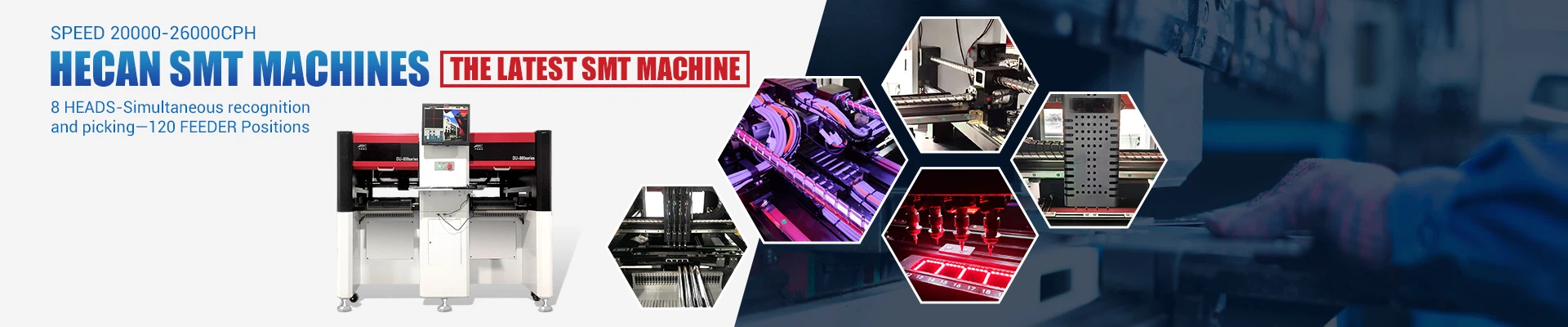
Recently, many friends of hardware engineers roast in our backstage that they found a manufacturer to make SMT patches, and that they were trapped. A good board was wrongly welded and damaged, wasting a lot of money and time. The project almost overturned. Finally, they had to find their own way to solve the problem. They were disappointed with the domestic SMT process, and some people even angrily welded three boards overnight.
Seeing this, I have to bring up the age-old topic of hand soldering and SMT. As a hardware engineer, how should I choose between them?
/Hand soldering, a "traditional handicraft" that hardware engineers must know/
Just like teachers cannot do without chalk, doctors cannot do without prescriptions, and hardware engineers cannot do without soldering irons.
Hand soldering is the process of manually soldering each component onto a designed PCB using an electric soldering iron and solder, ultimately ensuring the circuit runs smoothly.
Hand soldering, due to its long application time, can be considered one of the "traditional handicrafts" in the hardware industry and is widely used in various sub sectors of the hardware industry.
The soldering iron used for hand soldering can be called the "national tool" in the electronics industry. Its operation is simple and convenient, and it occupies a small area. Usually, in situations where there are few materials and ideal component sizes, hand soldering has become the preferred soldering method for many hardware engineers.
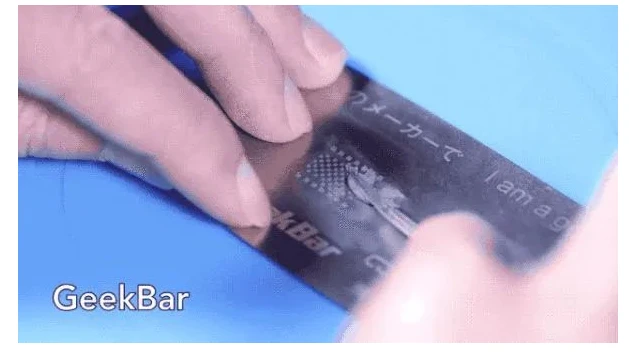
Artificial manual welding inevitably has objective drawbacks such as low efficiency, low precision, high time cost, and unattractive appearance. In addition, long-term use of manual welding can cause problems such as cervical and lumbar strain, decreased vision, and heavy metal hazards caused by the volatile gas of solder, which also plague a large number of hardware engineers.
SMT, Hardware engineers love and hate productivity tools/
SMT, Nowadays, it mostly refers to machine automated surface mounting, which is one of the processes of modern PCBA. At present, it coexists and complements manual soldering.
The advantages of SMT over hand soldering are obvious:
The entire process of component placement is operated by automated machinery and computer programs, with high efficiency and precision;
2. It can accurately process extremely small components such as 0201 that are difficult to manually solder, and can be attached to a 10cm ² PCB board in just a few minutes;
In theory, it can enable the already mounted PCB board to achieve optimal design efficiency;
4. Simultaneously, the cost of mass processing is lower;
It can be said to be one of the absolute productivity tools in the field of modern hardware
Some SMT manufacturers blindly pursue speed and equipment, neglecting service and supporting measures. Even with more advertising and marketing, it is not conducive to the healthy development of the SMT market.
Just like a user of Electronic Enthusiast Network bluntly stated: The SMT industry in China is a mix of good and bad. Some manufacturers think that having a few imported devices can solve the problem once and for all. If the inventory types, services, and after-sales of components do not keep up, everything is meaningless.
However, although there are still many flaws in the current domestic SMT industry, with the active guidance of national policies, positive support from local governments, and effective supervision and feedback from users, the overall situation of the domestic SMT industry remains optimistic.
Many manufacturers are constantly improving their processes, optimizing management, and enhancing services to provide more comprehensive and cost-effective business solutions for hardware engineers and the hardware industry. We believe that in the coming years, "affordable SMT sampling" can truly benefit individual hardware engineers.
Of course, as a hardware engineer, always being responsible for your own board is the top priority. So whether you choose hand soldering or SMT, you need to cons


